Insight
E-commerce Bundling Strategies and Examples: How to Create Effective Product Bundles?

Waveon Team
2/18/2025
0 min read
What is Product Bundling?
You’ve probably seen phrases like “Buy 1 Get 1 Free” or “Get a Discount When You Buy Together” while shopping. These are examples of bundling, a strategy that involves selling multiple products as a package.
This article covers the fundamentals of product bundling and introduces seven effective bundling strategies to help you boost sales. Discover which strategy best suits your business!
Understanding Bundling and Its Core Principles
Bundling involves combining two or more products or services into a single package, offering added value to customers while increasing revenue.
However, successful bundling is not just about grouping products together—it requires creating combinations that genuinely appeal to customers and clearly communicating their value.
Rather than simply trying to clear out excess inventory, the most powerful bundles are those that make customers think, “This combination makes sense together.”
Benefits of Bundling Strategies
1. Increase in Average Order Value (AOV)
When customers buy a single product, they spend less than when purchasing a bundle. For example, a customer might intend to buy just a razor, but when presented with a bundle that includes razor blades and shaving cream at a discounted price, they are more likely to opt for the package.
This approach helps businesses boost overall sales per customer.
2. Promotion of Less Popular Products
Customers often prefer well-known products, but bundling allows businesses to expose them to lesser-known items.
By bundling popular products with new or underperforming products, companies can encourage customers to try something new, thereby strengthening brand loyalty.
3. Effective Inventory Clearance
Bundling isn’t just about selling more of what’s already in demand. It also provides an opportunity to move slow-moving stock.
For example, seasonal fashion items nearing the end of their cycle can be paired with bestsellers to reduce excess inventory efficiently.
4. Competitive Differentiation
In highly competitive markets where similar products are widely available, bundled offerings can stand out.
A well-structured bundle allows businesses to shift the focus away from price wars and instead highlight the unique benefits of their brand.
7 Effective Bundling Strategies
Not all bundling strategies yield the same results. Below are seven effective ways to bundle products, each with its own benefits.
1. Pure Bundling
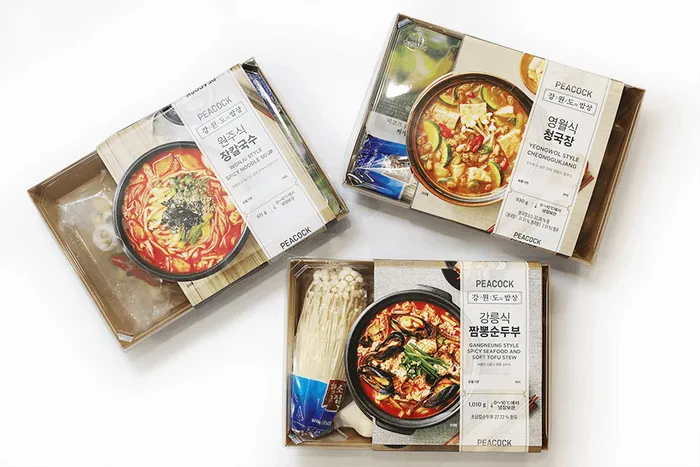
Pure bundling means selling products only as a package, without the option to purchase items separately.
This strategy works well for items that complement each other and provide a better experience when used together. Businesses using pure bundling need to ensure that customers see significant value in buying the entire package rather than just one of the items.
✔ Best for:
Meal kits (e.g., pre-packaged ingredients with seasonings)
Subscription services (e.g., Netflix, Spotify offering full libraries)
Travel packages (e.g., flight + hotel + tour bundle)
Why It Works:
Increases perceived value by grouping complementary items.
Encourages customers to experience unfamiliar products within the bundle.
2. Leader Bundling
This strategy pairs a primary (high-demand) product with a secondary (complementary) product, often at a discounted price.
For this to be effective, the bundled accessory should genuinely enhance the primary product’s usability.
✔ Best for:
Buying a car with a discounted navigation system or dashcam
Purchasing foundation with a discounted makeup brush
Buying a camera with a discounted SD card or extra battery
Why It Works:
Boosts sales of lower-performing items.
Encourages customers to buy complementary products they might not have considered.
3. Joint Bundling
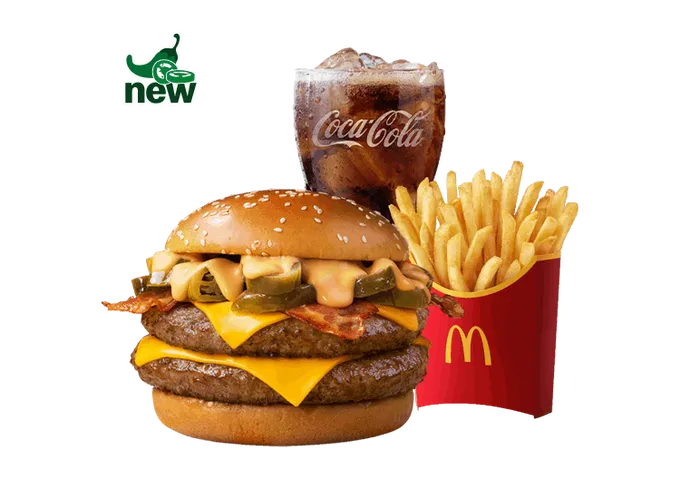
Joint bundling offers a discount when multiple products are purchased together, but also allows customers to buy each item separately.
This strategy is especially effective in price-sensitive markets, as it gives customers a clear incentive to spend more in a single transaction.
✔ Best for:
Fast food combo meals (e.g., burger + fries + drink)
Health check-up packages
Beauty service combos (e.g., nail + eyelash extensions)
Why It Works:
Works well for products that naturally complement each other.
Helps customers quickly recognize value and make purchase decisions.
4. Buy-One-Get-One (BOGO) or Multi-Buy Bundling (2+1, 3+1, etc.)
This is a common strategy where customers receive an extra item for free when they purchase a certain quantity.
For BOGO bundling to be effective, you must ensure that the discount does not cut too deeply into profit margins. Instead, the strategy should be applied to products with high markups or items that need to be cleared out to make room for new inventory.
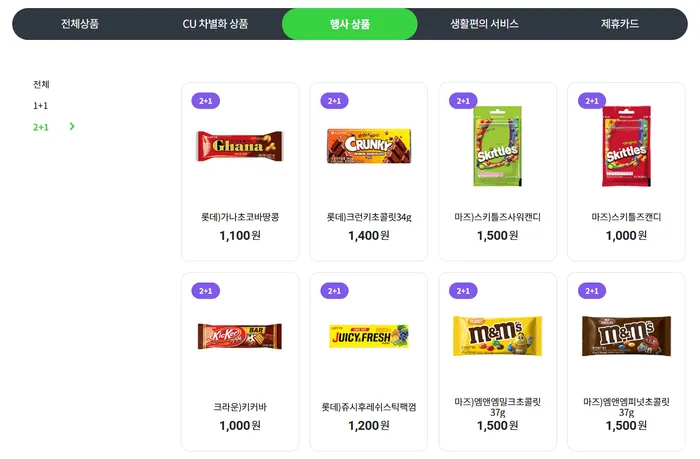
✔ Best for:
Supermarket promotions (e.g., “Buy 1 pack of snacks, get 1 free”)
Clothing sales (e.g., “Buy 3 T-shirts, get 1 free”)
Why It Works:
Encourages bulk purchases, increasing inventory turnover.
Provides customers with a strong sense of value, increasing satisfaction.
5. Mix & Match Bundling
Customers can customize their bundle by selecting preferred items.
This is often used in fashion retail, beauty products, and beverage sales. This approach enhances the shopping experience by giving customers control over their purchases while still benefiting from a discount.
✔ Best for:
“Pick any 4 craft beers for $10” promotions
Custom makeup sets (e.g., choose your own lipstick and blush)
Why It Works:
Offers a personalized shopping experience, increasing customer satisfaction.
Helps clear inventory by giving customers control over their choices.
6. Upsell Bundling
Upsell bundling focuses on encouraging customers to purchase a more expensive version of a product or add premium features and services. This strategy is commonly used in industries like cars, software, electronics, and hospitality.
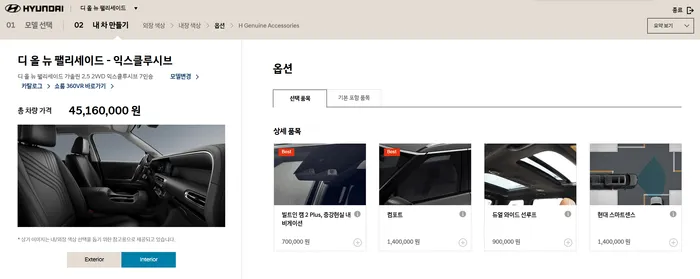
✔ Best for:
Suggesting a higher-end laptop when a customer adds a standard model to their cart
Offering a discounted upgrade to a premium subscription plan
Why It Works:
Maximizes revenue per customer.
Positions the brand as a provider of premium solutions.
7. Cross-Sell Bundling
Cross-Sell Bundling is a common e-commerce strategy where related products are suggested to customers at checkout. Amazon and other online retailers frequently use this method by showing “Frequently Bought Together” recommendations.
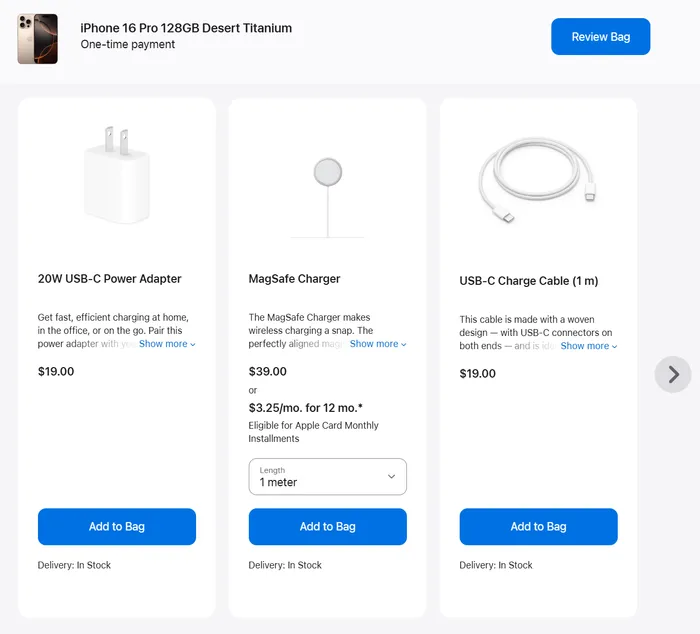
✔ Best for:
Suggesting a smartwatch and phone case when a customer buys a smartphone
Recommending gym socks and a sports bag when purchasing running shoes
Suggesting bestseller books based on a customer’s previous purchase
Why It Works:
Encourages customers to purchase complementary products in a single transaction.
Enhances the overall customer experience.
Automating Inventory Management for Bundled Products
A well-executed bundling strategy benefits both businesses and customers. However, managing inventory for bundled products can be challenging—especially in industries like fashion or food, where different bundle variations exist.
For example, if one item in a bundle runs out of stock, it can halt sales for the entire bundle, leading to revenue loss.
Automating Bundled Inventory with the BOM Management Template
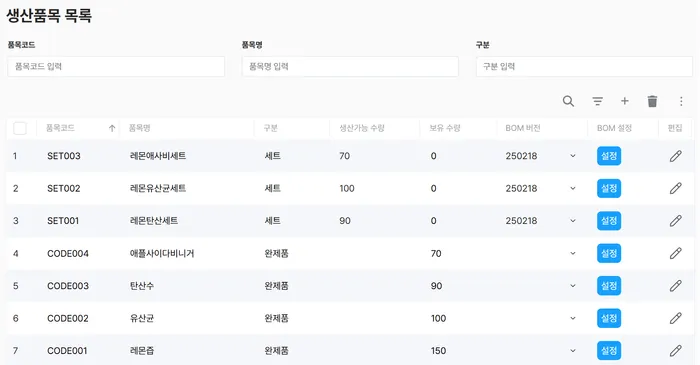
Waveon’s BOM Management Template helps prevent stock-related disruptions by accurately calculating available bundled product quantities.
Instead of manually tracking stock in Excel, this tool automatically calculates how many bundles can be sold based on available inventory, eliminating the need for guesswork.
✔ Key Benefits:
Prevents sales disruptions due to missing bundle components.
Improves accuracy and efficiency in inventory management.
Can be easily integrated with other inventory and order management templates.
🚀 Try Waveon BOM Management Template for Free!
Waveon templates can also help you turn a bundling idea into a simple operational flow: list the bundle components, calculate available quantities, and connect related order management steps without starting from a blank page.
Learn more about No-code insights
Subscribe Waveon Newsletter
*Type your email address