Insight
The 10 Core Principles of a Lean Startup - Validate Your MVP

Waveon Team
2/16/2023
0 min read
The Lean Startup is a methodology developed by entrepreneur Eric Ries, which emphasizes the importance of testing and validating ideas quickly and efficiently in order to build a successful business. The Lean Startup helps founders reduce risk by validating hypotheses and iterating experiments. The core principles of the Lean Startup can be summarized as follows:
The Principles of Lean Startup:
1. Validated Learning
The Lean Startup emphasizes the importance of validated learning, which means learning from actual customer feedback as quickly as possible. Traditional business execution methods, such as the Waterfall method, take a long time to build a product. The problem is that there will always be issues with the product after it launches.
The book gives an example about Dropbox. The founder of Dropbox didn’t know whether customers wanted it and whether the product would generate a reaction, since storing files on the cloud was not a well-known concept at that time. If they had followed the old-fashioned traditional way, it may have taken several years to know the result. However, they uploaded a demo video to the community to get feedback wisely, and they received 75,000 potential customers in one day, as well as a strong confidence about developing the product.
2. Build-Measure-Learn
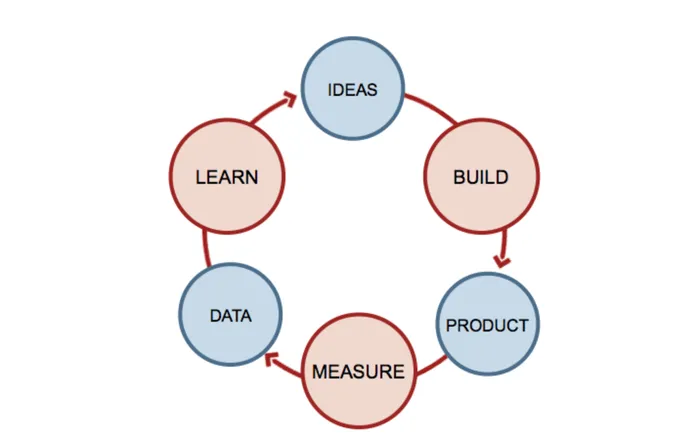
The Build-Measure-Learn feedback loop is a central concept in the Lean Startup methodology. This involves building a minimum viable product (MVP), measuring its effectiveness and gathering feedback from customers, and using that feedback to improve and iterate on the product.
According to research by CB Insights, the most common reason why startups fail is that they build products that have no use, accounting for 42% of all failures. It can be extremely difficult to determine whether a product is useful for customers, and it increases risk if a lot of time and resources are involved. The Lean Startup method emphasizes the Build-Measure-Learn loop by creating a simple mockup (MVP) and getting feedback from users to reduce risk.
3. Minimum Viable Product (MVP)
The minimum viable product (MVP) is the simplest version of a product that can be released in order to gather feedback from customers. This allows entrepreneurs to test and validate their ideas quickly and efficiently, without investing significant time and resources.
However, it is important to keep the principles in mind and consider the quality of the product, as it would be difficult to determine whether negative feedback is due to a poor-quality product or an incorrect hypothesis. Testing methods such as the Smoke Test can help solve this problem by focusing on the main features.
4. Pivot or Persevere
A pivot is a change in direction based on customer feedback or changing market conditions. The Lean Startup methodology encourages entrepreneurs to be flexible and adaptable, and to make changes to their products and business models as needed. Eric Ries explains several types of pivot and here are some of them.
ZoomIn Pivot
ZoomOut Pivot
Changing Customer Pivot
Changing Customer Needs Pivot
Platform Pivot
5. Innovative Accounting
Traditional accounting metrics such as revenue and profit might not provide a clear picture of a startup's progress, especially in its early stages. The Lean Startup introduces the concept of the "One Metric That Matters" (OMTM), which focuses on a single metric that aligns with the startup's current stage and goals. This metric serves as a compass, guiding decision-making and indicating whether the business is moving in the right direction.
Example: Dropbox, a cloud storage company, used the OMTM approach. In its early days, Dropbox's OMTM was the number of users who successfully referred others. This metric indicated user engagement and the viral growth potential of the product. By focusing on this metric and optimizing their referral program, Dropbox was able to achieve significant user growth.
6. Continuous Deployment
The Lean Startup encourages startups to embrace continuous deployment, releasing small updates frequently rather than waiting for a fully polished product. This approach facilitates the collection of real user feedback, which is invaluable for making iterative improvements.
Example: Facebook is a prime example of continuous deployment. Instead of launching with a complete set of features, Facebook initially released a simplified version of its social network to a limited audience. As users engaged with the platform, the company consistently introduced new features and improvements based on user feedback.
7. Split Testing and Iteration
Split testing, also known as A/B testing, involves testing different versions of a feature with different user groups to determine which version performs better. This data-driven approach helps startups optimize their offerings based on real user behavior, rather than relying on assumptions. You might also find Preventing Flawed MVP Development in Startups… helpful.
Example: Airbnb, a platform for short-term lodging, used split testing to optimize its website's user experience. By testing different elements such as photos, headlines, and pricing strategies, Airbnb was able to identify which variations led to higher engagement and bookings.
8. Build a Sustainable Business
The Lean Startup emphasizes the transition from the initial MVP to building a sustainable and scalable business. This involves evolving the product based on user feedback, addressing pain points, and generating revenue.
Example: Slack, a team communication tool, started as an internal tool within a gaming company. Recognizing its potential, the team evolved the product based on feedback and eventually pivoted to create Slack as a standalone product. By focusing on user needs and building a scalable solution, Slack has become a widely adopted communication platform generating substantial revenue.
9. Customer Development
Engaging with customers early and consistently is a cornerstone of the Lean Startup methodology. This process, known as customer development, involves actively seeking feedback from potential users to shape your product's development. By understanding their pain points, preferences, and needs, startups can create solutions that resonate and provide real value.
Example:
Dropbox's journey demonstrates the power of customer development. Before building an intricate cloud storage platform, the founder shared a simple video explaining the concept. The overwhelming response highlighted a need for easy file sharing, paving the way for Dropbox's development. This initial customer engagement was pivotal in aligning the product with user requirements.
10. Focus on Waste Reduction
The Lean Startup methodology emphasizes efficiency by minimizing waste – whether it's in the form of time, resources, or features that don't directly contribute to value creation. This approach ensures that startups allocate their limited resources strategically and avoid investing in areas that don't yield meaningful outcomes.
Example:
Zappos, the online shoe retailer, started by focusing on waste reduction. Instead of building a full inventory, they initially took product images from manufacturers' websites. When an order was placed, they purchased the shoes and shipped them to customers. This approach not only minimized waste but also tested the market demand without excessive upfront investment.
Conclusion
In this article, we have briefly looked at what the Lean Startup is and what key elements it covers. Since the emergence of the Lean Startup, the failure rate of product development processes in not only startups, but also large companies has significantly decreased. Exploring and implementing the Lean Startup, which has now become a standard, will be of great help in growing your business.
The Lean Startup: Your Fastest Path from Idea to MVP
The core of the Lean Startup is accelerating the Build-Measure-Learn feedback loop. One practical way to do that is to turn your idea into a focused landing page MVP before committing to a full product build.
With Waveon, you can outline the customer problem, value proposition, CTA, and lead form on one page, then measure real sign-ups, demo requests, or waitlist submissions. That feedback gives founders a cleaner signal for what to build next without pretending that an unfinished product is already complete.
[Validate Your MVP with a Landing Page]
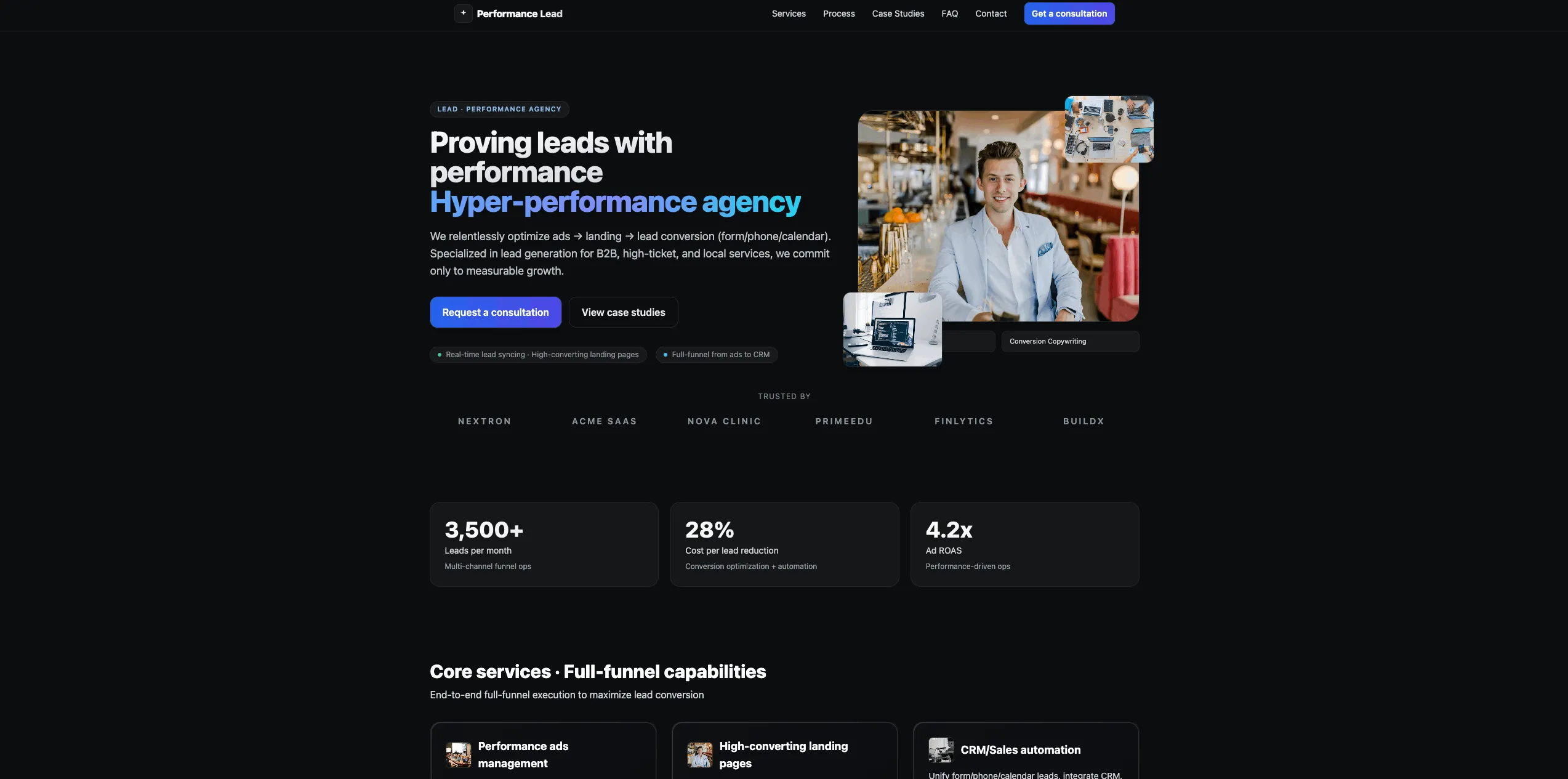
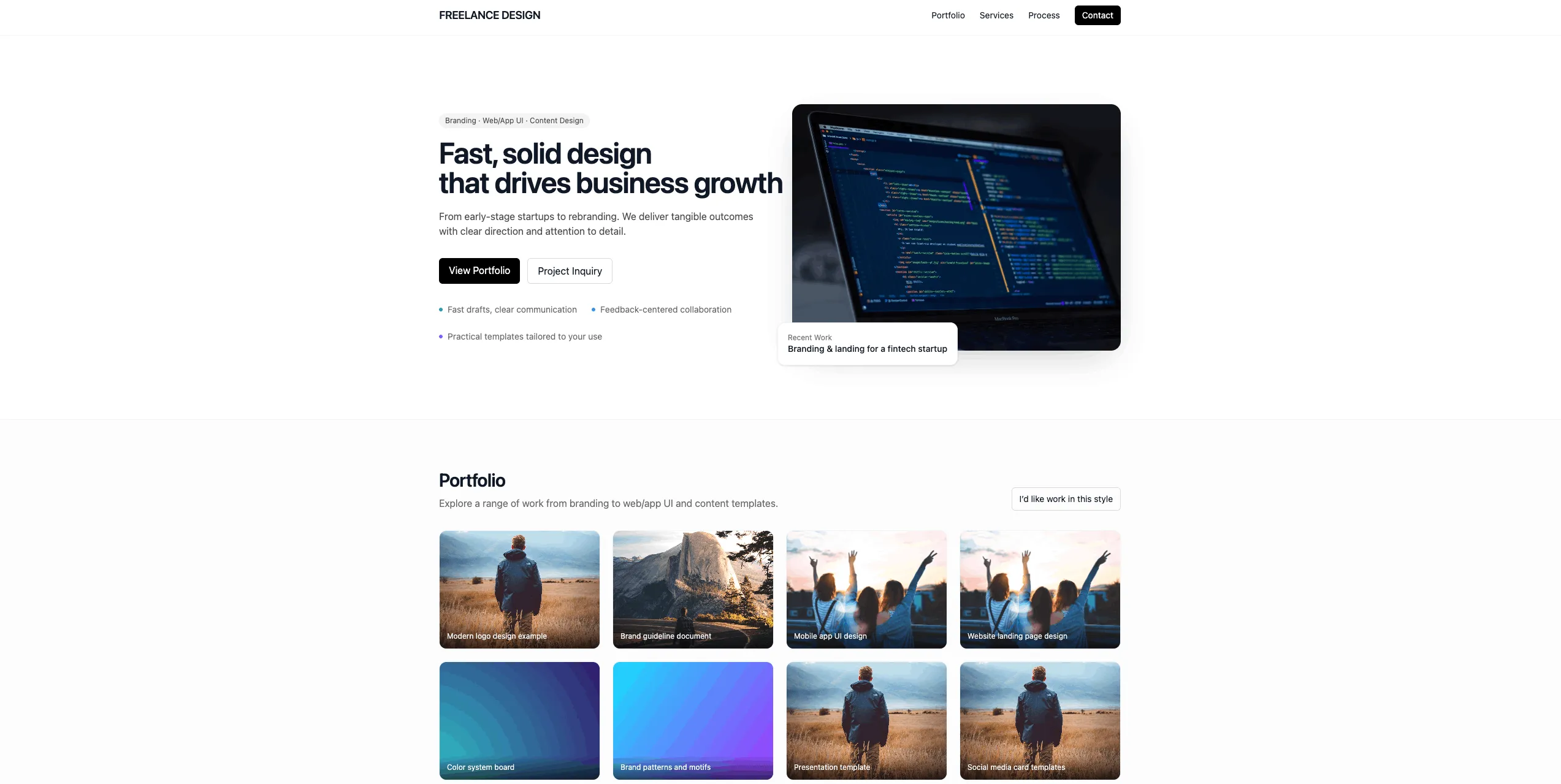
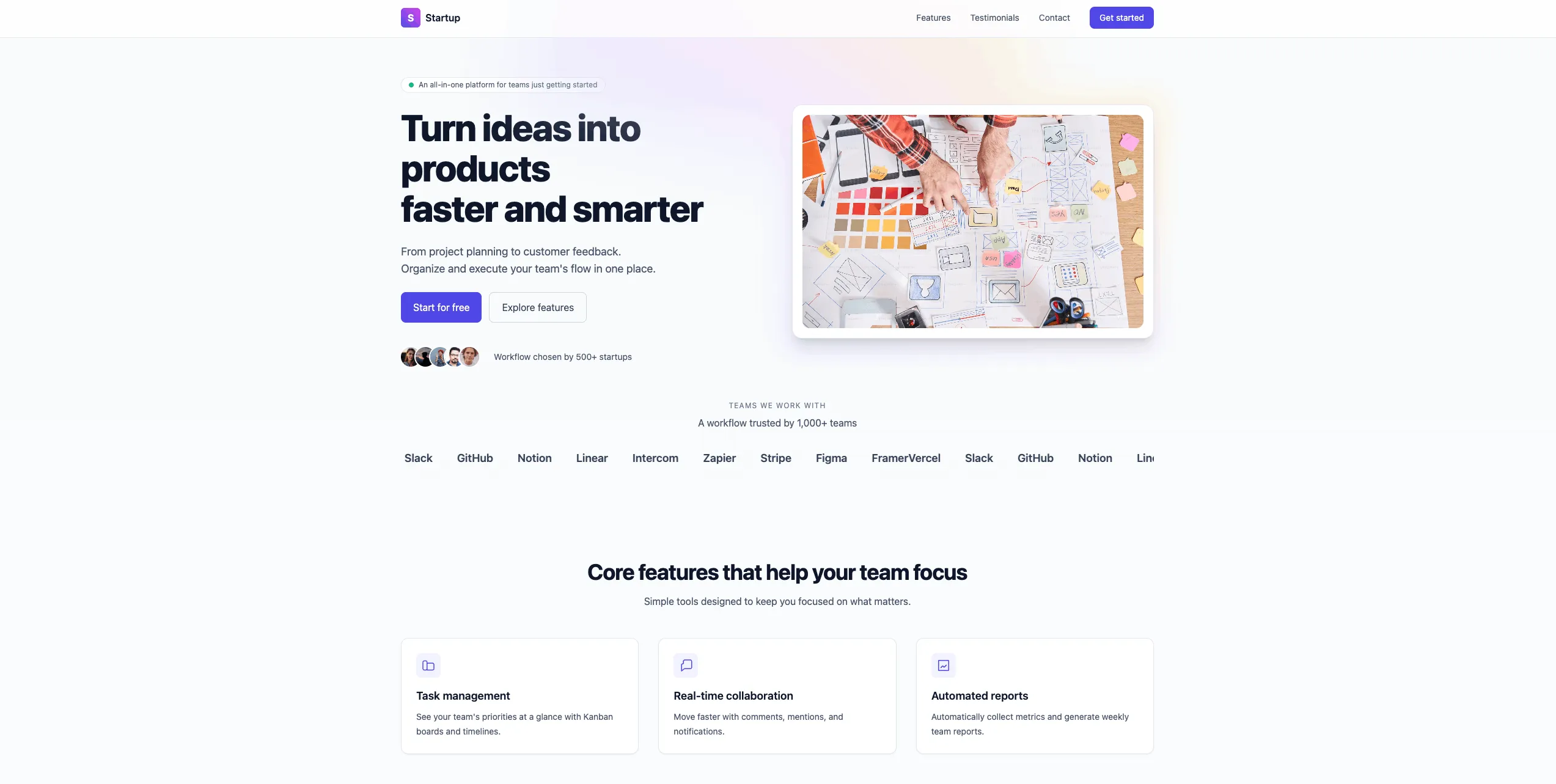
Here are a few examples of real websites built by founders and marketers using Waveon.
[Performance Lead Agency]
[Freelance Design]
[StartupHub]
Related Guides
This guide is part of our startup series.
👉 📚 The Complete Startup Guide: From Idea to Growth
Recommended Reading
👉 Methods for Writing a Business Plan for Startups
👉 B2C vs B2B: Which is More Profitable?
👉 Complete Analysis of Liquid Consumption
👉 How Startups Can Reduce Expenses: 7 Proven Approaches That Work
👉 What is MRR (Monthly Recurring Revenue) and How to calculate it?
Explore Metrics
Learn more about No-code insights
Subscribe Waveon Newsletter
*Type your email address