Marketing
What Is No-Code Website Development for Small Businesses and How Does It Work?
Waveon Team
12/14/2025
0 min read

If you run a small business, you have probably heard that you “need a website” but may not have the time, budget, or technical background to hire developers and manage a complex project. That is exactly where no-code website development for small businesses comes in. Instead of writing lines of HTML, CSS, and JavaScript, you work with visual blocks, templates, and simple settings that feel closer to editing a slide deck than building software.

This approach is now mainstream, not niche. Around 71% of small businesses have a website, while roughly 27% still operate without one, even though most plan to create one soon (Entrepreneurs HQ). At the same time, the global website builder market reached about $2.18 billion in 2024 and continues to grow as more non-technical owners build sites themselves (My Codeless Website). In this article, you will learn what no-code website development is, how it compares to other options, what tools to consider, and a straightforward process you can follow to get a site online without writing code. If you want to go deeper later, you can pair this guide with more specific resources on topics like creating high-converting landing pages or using AI-assisted builders.
What Is No-Code Website Development for Small Businesses?
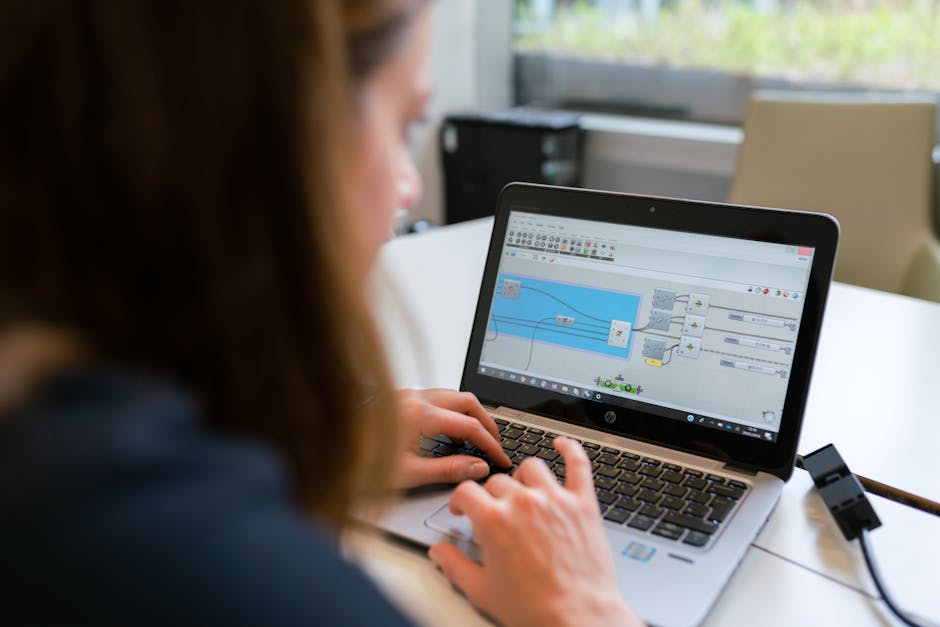
When people talk about no-code website development for small businesses, they mean using visual tools to build a site without touching code. You sign up to a platform in your browser, choose a template, drag sections around, add your text and images, and click publish. The platform handles hosting, security, and most technical settings behind the scenes so you can focus on content and design.

A typical no-code website builder shows you a live preview of your site while you work. You might drag a “text” block into a column, drop in a “contact form” element, or switch the entire color scheme with one setting. Instead of hiring a developer to adjust spacing or move a button, you can usually change it yourself in a few clicks. For many local services—like yoga studios, accountants, salons, tutors, or small retailers—that level of control is enough to get clients in the door and keep information up to date.
If you are specifically focused on marketing pages, many modern platforms now include AI page generators and templates tailored for lead generation and campaigns. These are especially useful if you later want to expand from a basic site into dedicated funnels or experiment with different offers without rebuilding everything from scratch.
No-code vs low-code vs custom development
It is useful to understand how no-code compares to low-code tools and traditional custom development, because they involve different skills and trade-offs. No-code platforms are designed so that you can build and launch a website without writing or reading any code. You rely on pre-built building blocks and settings. This is ideal if you are comfortable with tools like PowerPoint or Canva but have never opened a code editor.

Low-code platforms sit in the middle. They still give you visual tools and templates but allow you (or a developer) to inject small bits of custom code for advanced behavior. This can work well if you have more complex needs, such as custom workflows or integrations, and either you or someone on your team can write a bit of JavaScript or CSS when needed.
Custom development is at the other end of the spectrum. A developer or agency writes the site from scratch or uses developer-focused frameworks and content management systems (CMS) like WordPress with custom themes. You get full control over how everything works, from page layouts to database structure, but you also take on more complexity, cost, and long-term maintenance. Updates, bug fixes, and new features will likely require developer help.
To make these differences easier to compare at a glance, it helps to look at them side by side across a few key criteria that matter to small businesses.
| Criteria | No-Code Website Builders | Low-Code Platforms | Custom Development (e.g., custom WordPress, frameworks) |
|---|---|---|---|
| Required technical skill | Very low; comfortable for non-technical owners | Moderate; benefits from some coding literacy | High; requires professional developers |
| Setup speed | Fast; can launch in days or a weekend | Medium; weeks depending on complexity | Slower; typically weeks to months |
| Upfront cost | Low; subscription and domain fees | Medium; platform plus potential developer time | Higher; project-based fees and possible retainers |
| Flexibility and custom logic | Limited to what the platform supports | Moderate to high; custom logic possible in places | Very high; almost anything is possible with enough budget |
| Ongoing maintenance | Mostly handled by platform provider | Shared between provider and your team/developers | Your responsibility or an agency’s; updates and security must be managed |
| Ideal use cases | Brochure sites, small catalogs, booking, lead generation | More complex workflows, custom integrations, internal tools | Large sites, complex apps, highly customized experiences |
In practice, many small businesses start with no-code website development because it is faster and cheaper, then move to low-code or custom setups only when their needs clearly justify the jump. The right choice is less about what is “best” in the abstract and more about what matches your current goals, budget, and appetite for technical complexity.
Common small business use cases
No-code website builders shine in straightforward, business-focused scenarios. If your goal is to be found online, explain what you do, and make it easy for people to contact or book you, you are squarely in the sweet spot. Service-based businesses often use no-code tools to create simple sites with a home page, list of services, pricing or packages, testimonials, and a contact or booking page.
Online booking is a particularly common use case. A therapist might use a no-code builder with an integrated scheduling tool so clients can pick a time without back-and-forth emails. A fitness studio might sync class schedules and take payments for passes using built-in eCommerce widgets. Many builders now offer app marketplaces where you can add booking, calendars, or event tools with minimal setup.
Simple online stores are another key area. If you sell a small catalog of products—say handmade jewelry, local food boxes, or branded merchandise—you can often set up eCommerce on a no-code platform by adding products, prices, and delivery options. For small catalogs and straightforward shipping and tax needs, this is usually enough.
Many small organizations also use no-code website development for internal or informational sites, such as an intranet for staff resources or a password-protected client portal with basic documents and updates. In all of these cases, the ability to quickly change text, swap images, or add a new page without a developer is a major advantage. If you later want to spin up focused campaign pages, you can connect your main site with standalone landing pages generated by AI so you do not clutter your core navigation.
Benefits and Limits of No-Code Websites for Small Businesses
The appeal of no-code website development for small businesses usually starts with cost and speed. Hiring an agency or freelance developer to build a custom site can easily run into the thousands, even for a basic project. With a no-code builder, your main ongoing cost is a monthly or annual subscription, plus your domain. Because hosting is bundled and templates are pre-made, the setup is much faster. You can often go from idea to live site in days instead of weeks or months.
Cost savings also come from reduced reliance on developers for changes. Instead of paying hourly for each small tweak—a new product, a holiday notice, a staff update—you can log in yourself and edit the site. This is important when you consider that 70% of small business websites lack a clear call to action (Forbes Advisor). Being able to adjust your page layout and buttons yourself makes it much easier to test stronger calls to action like “Book a Free Consultation” or “Get a Quote Today” without waiting for a developer.
Another benefit is lower technical overhead. You do not need to worry about server setup, SSL certificates, or most security patches. The platform provider manages the infrastructure, which is especially helpful if you do not have IT staff. For owners who are already stretched thin, not having to become a part-time system administrator is a big relief.
At the same time, no-code platforms have real limits you should understand before you commit. The main constraint is around complex, highly custom features. If you eventually want to build a sophisticated web app, a large membership platform, or deep integrations with internal systems, a no-code website might not scale in the way you expect. You can add apps and connectors, but the underlying system is still designed for general use, not for very specific, custom logic.
Integrations can also be a sticking point. Many popular no-code platforms offer built-in connections to major tools like email marketing services, CRMs, and payment providers. But if your business uses a niche tool or has a unique data flow, you may find yourself limited or relying on third-party services like Zapier to glue everything together. That works well for many scenarios, but it is not as flexible as direct API-based development. For more technical use cases, resources like the Zapier no-code automation guides can help you understand what is realistically possible without hiring developers.
Scalability is another consideration. For a local service business with a few thousand monthly visitors, most no-code builders perform just fine. If you are aiming for national or international reach with heavy traffic, lots of dynamic content, and advanced search or filtering, you may eventually outgrow the platform or run into performance ceilings. At that point, moving to a more custom setup might make sense.
In practice, no-code website development for small businesses is a great fit when your main goals are visibility, credibility, and lead generation. Local restaurants, home-service providers, professional services, and solo consultants often thrive with no-code sites. You might outgrow no-code faster if your business is essentially a tech product, if you need very complex user accounts and permissions, or if your site is central to how your software or service itself works.
Popular No-Code Website Tools and What They Offer
Once you decide that no-code feels right, the next question is which tool to use. There are dozens of options, but a few well-known platforms illustrate what is possible and how different tools are positioned for small businesses.
Wix is one of the best-known examples of a drag-and-drop no-code website builder. Its editor lets you build pages visually, moving elements around on a canvas and editing text in place. You can start with industry-specific templates—like “dentist,” “photographer,” or “online coach”—and then customize colors, fonts, and layout to match your brand. Wix has also invested heavily in AI-assisted setup, where you answer a few questions and the system generates a draft site structure and design for you. For many small business owners, this is enough to skip blank-page anxiety and jump straight into tweaking.
Beyond design, Wix and similar platforms bundle in a growing set of marketing tools. You can connect email forms to automated campaigns, set up basic SEO settings like page titles and descriptions, and use built-in analytics to track traffic and conversions. According to one analysis, no-code and low-code platforms can reduce the demand for traditional coding skills by roughly 30–40% in areas such as basic web development, because more work is done by non-developers using visual tools (CodeConductor). This shift is visible in how platforms like Wix position themselves: not just website builders, but all-in-one “business hubs” for small companies.
On the simpler end, Google Sites offers a very lightweight, free option for basic informational sites and internal pages. The interface is minimal, and the styling choices are more limited, but if your needs are straightforward—like an internal resource hub, a simple services page, or a temporary project site—it can be more than enough. It is especially convenient if you are already using Google Workspace, since you can embed Docs, Sheets, and other content with very little friction.
Template marketplaces are another piece of the no-code ecosystem worth knowing about. For example, HubSpot’s theme marketplace offers ready-made designs and layouts that plug into its CMS and marketing tools (HubSpot Asset Marketplace). Instead of designing from scratch, you pick a theme tailored to your industry, then adjust content and branding. This can be a good middle ground if you want a more polished, professional feel but still plan to manage content and minor design adjustments yourself.
Whichever platform you choose, look carefully at three things: how easy the editor feels to you personally, which built-in features you actually need (like booking, payments, blogging, or email capture), and what the long-term pricing looks like as your traffic and features grow. Spending a bit of time up front comparing these aspects usually saves you from painful migrations later. When you are ready to experiment with AI, tools like Waveon’s AI website builder can also help you generate initial layouts and copy that you then refine for your specific audience.
Costs, Time Savings, and When to DIY vs Hire Help
One of the most practical questions when you look at no-code website development for small businesses is what it will actually cost you—in money and in time. No-code tools do not remove costs entirely; they just change where you spend.

Most major website builders use a subscription model. For a small business site with a custom domain, you are usually looking at a monthly plan in the ballpark of a few to several tens of dollars, depending on features like eCommerce, bookings, and storage. On top of that, you will pay for your domain registration each year. Many platforms include hosting and SSL in the subscription, so you do not have separate hosting bills.
Optional add-ons can include premium templates, apps from marketplaces, additional storage, or advanced marketing tools. It helps to start with the essentials and only add extras once you know they will pay for themselves. For example, paying a bit more per month for online booking might be worth it if it allows you to reduce phone time and capture more appointments after hours.
In terms of time, a small business owner can usually get a basic no-code site live much faster than a custom-developed one. If you prepare your content in advance (text, images, and a clear idea of your pages), it is realistic to launch a simple site in a weekend or over a couple of evening sessions. By contrast, custom development often involves a multi-week or multi-month project with planning, design mockups, coding, testing, and revisions.
You should still budget time for learning the platform, experimenting with design, and testing your pages on different devices. The first site you build will always take longer than the second. Many owners find that after the initial launch, making changes becomes much faster because they are already familiar with the editor.
The other big question is when to build the site yourself and when to bring in outside help. DIY makes sense if your needs are straightforward, your time is somewhat flexible, and you are comfortable learning a new tool. Even in a DIY scenario, you might still work with specialists for specific pieces, such as logo design, professional photography, or copywriting for your most important pages.
You should consider hiring a freelancer or agency when your brand positioning is complex, you have high-stakes launches, or you need more advanced setup than you feel comfortable handling. For instance, if your website needs to integrate with multiple tools, requires detailed SEO work, or must match an existing brand system, paying for expert guidance can save you from mistakes that take months to undo.
A hybrid model often works best: you use no-code website development for small businesses as your base, but you get targeted help for strategy, branding, content, or technical configuration. Over time, you can continue to manage day-to-day updates yourself while occasionally bringing in experts for major upgrades or redesigns.
Step-by-Step: Planning and Building a No-Code Website
To make this concrete, it helps to walk through a simple process you can follow from idea to launch. Even if you use a different platform or your business has specific quirks, the overall flow is similar and adapts well to most no-code tools.
Start with your goals, audience, and must-have pages rather than design. Ask yourself what you want your site to do for your business in the next 6–12 months. Do you want more inbound leads? Online bookings? A more professional presence so referrals take you seriously? Once you are clear on that, think about who your ideal visitors are and what they will be trying to accomplish when they land on your site.
From there, outline your core page structure. Most small businesses need at least a home page, services or products page, about page, and contact or booking page. Depending on your business, you might also plan a FAQ page, a gallery or portfolio, and possibly a blog or “resources” section if content marketing is part of your strategy. Remember that you can always add more pages later; at launch, it is better to have a clear, simple structure than a half-finished maze.

Once you have the structure, choose a template within your no-code platform that is designed for a similar type of business or layout. Look at how it organizes information and whether it matches the way your customers think. Then begin customizing the design and content. Start by replacing placeholder text and images with your own, focusing on clear headlines that explain what you offer and calls to action that tell visitors what to do next.
After basic content is in place, add key features that support your goals. This might include a contact form that sends inquiries to your email, a chat widget that lets visitors ask quick questions, or an online scheduling tool so clients can book appointments directly. Many no-code builders offer these as built-in features or easy add-ons. If you sell products, set up your product catalog with clear descriptions, prices, and photos, and connect your payment methods.
Before you publish, test the site thoroughly on both mobile and desktop. A large portion of your visitors will likely be on their phones, so tap through every page yourself and ask a friend or colleague to do the same. Check that menus work correctly, forms submit as expected, and buttons are easy to tap. Use the platform’s preview tools to simulate different screen sizes if they are available.

The final steps are connecting your custom domain and configuring basic SEO settings. Point your domain to the builder according to its instructions, then set page titles, meta descriptions, and URL slugs that reflect your services and location. For example, a local plumber might use “Emergency Plumber in Austin | Brand Name” as a home page title. Once everything looks good, hit publish.
Because this is essentially a “how-to” process, it can be helpful to see the whole build broken down into a simple checklist you can refer to while you work. Use it as a guide, not a rigid rulebook, and adapt the order if your chosen platform suggests a slightly different flow.
- Clarify your primary goal for the site (leads, bookings, sales, or credibility) so every page supports that outcome.
- Define your target audience and list their top three questions or tasks when they visit your site.
- Sketch a simple sitemap with your core pages (Home, Services/Products, About, Contact/Booking, and any key extras).
- Gather your content in advance, including headlines, body copy, photos, logo files, and testimonials where available.
- Choose a no-code platform and select a template that matches your business type and layout preferences.
- Customize global design settings, such as colors, fonts, and logo placement, to align with your brand.
- Replace all placeholder text and images on each page with your own clear, customer-focused content.
- Add functional elements like contact forms, booking widgets, or product listings and connect them to your email or payment accounts.
- Preview and test the site on mobile, tablet, and desktop, fixing any layout, speed, or usability issues you notice.
- Connect your custom domain, set page titles and meta descriptions, verify analytics, and publish the site publicly.
You do not need to complete all of these steps in one sitting, but following them in this rough order keeps you from getting stuck on details like fonts before you have nailed down the basics of what the site needs to say and do. If later you decide you want more specialized funnels or campaign pages, you can layer on tools like an AI landing page generator without throwing away your original work.
As an immediate, actionable tip, pay extra attention to your primary call to action on the home page. Since 70% of small business websites lack a strong call to action (Forbes Advisor), you can stand out simply by making yours clear and consistent, such as “Book a Free Consultation” or “Request a Quote” and repeating it in the header and hero section.
Managing and Growing a No-Code Website Over Time
Launching your site is not the end of the process; it is the beginning of an ongoing cycle of updates and improvements. One of the big advantages of no-code website development for small businesses is that you do not need to rebuild from scratch every time your business evolves. You can update content, add new pages, and adjust the design while keeping the same underlying structure.
In practice, this might mean refreshing your home page as your services change, adding new case studies or testimonials, or updating team photos when staff come and go. Many owners set a recurring reminder—monthly or quarterly—to review key pages and make sure they still reflect the current reality of the business. If you expand into new locations, you can add location-specific pages without a complete redesign.
Most no-code platforms also include built-in marketing tools that help you turn visitors into leads or customers. You can add email capture forms to build a mailing list, configure basic SEO settings on each page, and connect your site to Google Analytics or the platform’s native analytics. This data shows you which pages people visit most, where they drop off, and which calls to action are working. For example, if you see that your pricing page gets traffic but few inquiries, you might test a clearer contact button or a short FAQ to address common hesitations.

Over time, you can also expand your site’s functionality as your business grows. A consultant who starts with a simple brochure site might later add a blog, downloadable resources, or an online course area hosted via an integration. A local shop might begin with in-store information and hours, then layer on online ordering, gift cards, and local delivery as demand increases.
To make this more tangible, imagine a small yoga studio that initially launches a basic site with class schedules and a contact form. After a few months, they notice that many emails are about booking trials and buying passes. Using their no-code builder’s app marketplace, they add an online booking and payment tool. Within a quarter, their share of online bookings increases, and staff spend less time handling manual scheduling. They then use built-in email capture to offer a “free first class” coupon in exchange for email sign-ups, gradually building a list they can market workshops and events to. None of this required hiring a developer, just consistent use of the tools already available in the platform.
The key is to treat your no-code site as a living asset rather than a one-time project. Check analytics regularly, ask customers how they found you, and listen for friction points in your sales and support conversations. When you hear the same questions again and again, consider whether a new page, a clearer section, or a quick FAQ could solve the problem online. Over time, these small improvements compound into a site that not only looks professional but actively supports your business goals.
Conclusion: Is No-Code Website Development Right for Your Small Business?
No-code website development gives you a practical way to get online without turning yourself into a full-time developer or draining your budget on a long, complex build. You have seen how visual builders let you launch a site quickly, how they compare with low-code and custom development, and where their strengths and limits sit—especially around cost, speed, and flexibility.
If your main goals are to be found, look credible, and turn visitors into leads, bookings, or sales, a no-code site is usually more than enough. You can start with a simple structure, use templates that fit your industry, and lean on built-in tools for things like forms, bookings, and basic SEO. From there, you can keep improving the site in small, low-risk steps: update your copy, test a stronger call to action, add a testimonial section, or expand into a blog or simple online store as your needs grow.
The most important next step is not choosing the “perfect” platform—it is deciding what you want your site to do in the next 6–12 months and committing to building something lean that serves that goal. If you do not yet have a site, block out a weekend to work through the checklist in this guide and get a first version live. If you already have an outdated site, pick one priority improvement, such as clarifying your home page headline or adding a clear “Book a Call” button, and tackle that this week.
Once your foundation is in place, you can always layer on more advanced pieces, whether that is AI-generated landing pages for campaigns, better analytics, or deeper integrations with your marketing tools. The real advantage of no-code is that you do not have to get everything right on day one—you just need to get started, ship a usable site, and keep iterating based on what you learn from your customers.
Learn more about No-code insights
Subscribe Waveon Newsletter
*Type your email address