Marketing
What Is a Startup Website Builder for Non Technical Founders and How to Choose One

Waveon Team
12/20/2025
0 min read

If you are asking “what is startup website builder for non technical founders,” it usually means you have an idea, a deadline, and no engineering team in sight. A startup-focused website builder is simply a way for you to get a real, working website or landing page in front of customers without touching code. Instead of wrangling HTML, CSS, and hosting, you work with templates, drag-and-drop blocks, and straightforward settings—while still collecting signups, feedback, and even payments.
This matters more than it might seem. According to Wix’s 2024 data, around 27% of US SMEs still don’t have a website at all, even though most customers now search online first before buying anything from a new brand or product idea (Wix, 2024). Founders who use website builders early can validate ideas, look credible, and learn faster—without committing to expensive custom development they may later regret. If you are comparing tools, you might also want to look at how an AI website builder differs from a traditional no-code editor in terms of speed and automation.
What Is a Startup Website Builder for Non Technical Founders?
When people talk about “what is startup website builder for non technical founders,” they are usually talking about a particular flavor of website builder. Generic builders aim to serve anyone: bloggers, hobbyists, restaurants, local shops. A startup-focused builder is designed for founders who need to explain a new product, test a business model, and learn quickly from data rather than just “have a site.” If you have used basic site tools before, think of this as a more focused version of a landing page generator that is built around funnels and experiments instead of just static pages.
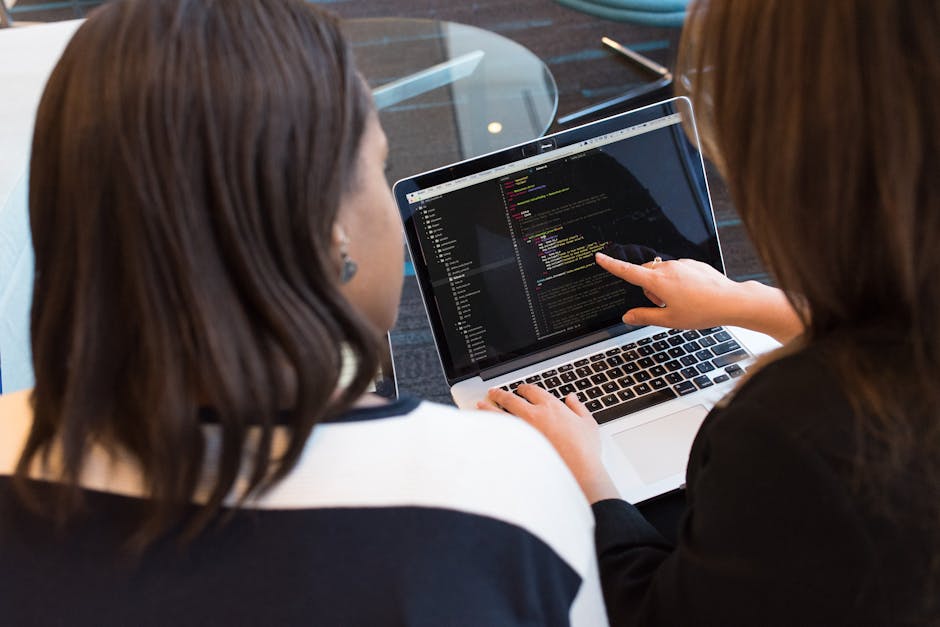
At its core, a website builder gives you a visual editor where you can arrange sections, text, images, and forms without writing code. You pick a template, customize the content, connect your domain, and click publish. For a non-technical founder, the key is that you don’t need to know how any of this works under the hood. If you can use a presentation tool like PowerPoint, you can usually learn a builder in an afternoon and launch a basic site in a day or two.

Early-stage startups often use simple builders as a test bench. Instead of building a full app or dashboard, they start with one or two clear landing pages that explain the value proposition and ask visitors to join a waitlist, request a demo, or pre-order. There is strong evidence that this kind of lean approach works. The average landing page conversion rate across industries is around 4.3% according to Unbounce’s Q4 2024 data (Unbounce, 2025), and teams that iterate on copy, offer, and design often see double-digit improvements. You do not need a custom-coded platform to see those gains; you need a page you can easily change.
A well-known example is how many now-successful companies validated demand before writing much code. Stitch Fix, for instance, famously began with very manual, low-tech workflows using tools like Google Forms and spreadsheets to test if people would pay for personalized styling, long before they invested in sophisticated recommendation engines and internal platforms (Chloe Shih, 2025). While they did not use a specific “startup website builder,” the spirit is the same: they built the simplest possible online front door, validated interest, and only then layered on engineering complexity.
You should also be clear-eyed about the limits. Website builders are excellent for marketing sites, simple MVPs, landing pages, waitlists, and very lightweight products. They start to creak when you need complex user roles, deep custom logic, heavy data processing, or performance optimizations that require low-level control. If your idea is essentially a content site, a tool that gathers leads, or a simple workflow, a builder may be all you need for a surprisingly long time. If your idea is a developer platform, a real-time multiplayer game, or an analytics engine, a builder will mostly be your marketing layer, not your product. In those cases you may still use a no-code or AI-powered builder to manage your marketing site while your product lives on a separate, custom-built stack.
Quick Reference: What a Startup Website Builder Typically Includes
To make this more concrete, it helps to look at the common building blocks most startup-focused website builders offer and what they actually do for you day to day. When you understand these, it becomes easier to compare options and see whether a given platform is truly designed for startups or is closer to a generic portfolio builder.
| Area | Typical Features in a Startup Website Builder | What This Helps You Do as a Non-Technical Founder |
|---|---|---|
| Page & layout editing | Drag-and-drop sections, pre-made blocks, style presets | Rearrange pages and sections without worrying about HTML or CSS. |
| Content & media | Text editing, image galleries, video embeds, icon libraries | Quickly tell your story visually without hiring a designer for every edit. |
| Conversion elements | Forms, CTAs, pop-ups, countdowns, payment buttons | Capture emails, bookings, or pre-orders directly from your pages. |
| Data & feedback | Built-in analytics, A/B testing (in some tools), form submission export | See what is working and learn from visitor behavior in a simple dashboard. |
| Integrations & growth | Email marketing tools, CRM sync, chat widgets, basic automation hooks | Connect signups to your sales and support tools as your startup grows. |
If a tool you are considering is missing most of these columns, it is probably closer to a generic site builder or portfolio tool than a startup-friendly platform that can support your experiments. As you evaluate, it also helps to read through resources on landing page conversion benchmarks so you can judge whether a builder’s analytics and testing features are enough for the goals you have in mind.
Essential Features to Look For as a Non Technical Founder
Once you understand what is startup website builder for non technical founders, the next step is picking the right one. Many tools look similar at first glance, but a few core features make the difference between something you can actually live in every week and something that gathers dust after you launch. The right choice will depend partly on how quickly you plan to iterate and how important experiments and A/B tests are in your go-to-market strategy.
The first pillar is how you edit the site. As a non-technical founder, you should be able to update copy, change headlines, swap images, and rearrange sections on your own. That usually means a visual drag-and-drop editor, preview modes that show desktop and mobile, and templates that come pre-wired with reasonable layout and typography. If you find yourself “fighting” the template to make basic changes, that tool will slow you down later when you want to run experiments.
Templates matter more than people admit. Good startup-focused templates are built around clear narratives: a hero section with a value proposition, social proof, features, and a call to action. You do not want flashy designs that bury the message; you want structure that forces you to answer “Who is this for?” and “Why should they care?” Many small businesses waste time over-designing early pages, even though users mostly care about clarity. In one case study analyzed by CXL, simplifying a cluttered landing page and focusing attention on one primary call to action increased conversions by 79.3% (CXL, Landing Page Case Study). A builder that makes simplicity the default helps you get similar wins without being a designer.
Beyond visuals, you need your site to act as a feedback machine. That means built-in forms, email capture, and basic analytics. At minimum, you want to be able to create a signup or waitlist form, connect it to an email tool or at least export the submissions, and see key metrics like visitors, conversion rates, and traffic sources. If your builder integrates directly with popular email tools, CRMs, or help desks, even better—you will save yourself a lot of manual copying and pasting as your list grows. If you plan to build multiple campaigns, a platform that supports rapid landing page testing and optimization will save you time later.
Pricing and support often get pushed to the side, but they are crucial. Website builders typically range from free tiers to roughly $10–$30/month for most early-stage needs, with more advanced plans going up to $200/month or more for larger teams or multiple projects (Wix, 2024). For a bootstrapped founder, that is still dramatically cheaper than a custom build that might cost thousands upfront. Look for pricing that allows you to start small and upgrade as you need more traffic, pages, or integrations, rather than paying for everything on day one. If you want a broader framework for managing costs as a founder, 7 proven ways startups reduce expenses without sacrificing growth covers the most impactful approaches from team structure to toolstack.

Support is your safety net. When something breaks or you are stuck on a setup step, you want responsive documentation, chat, or email support. As your startup grows, integrations become another deciding factor. If you plan to use a CRM, customer support platform, or analytics stack, verify that your builder can connect to them—or at least supports embed codes and webhooks so you are not locked into a dead end. If managing all of this still feels heavy, consider whether an AI landing page builder that writes and structures much of the page for you might reduce the learning curve.
No-Code vs Low-Code vs Custom Builds for Your First Startup Site
When you are mapping out what is startup website builder for non technical founders in your own context, you will eventually hit the question of “How far can I push this?” That is where you need to distinguish among no-code, low-code, and custom builds. Thinking through these options early will keep you from over-investing too soon or getting stuck in a tool that cannot handle your eventual product.
A pure no-code builder gives you a visual environment and pre-built functions, but you never have to touch code. This is often enough for your initial launch. If your goal is to test a value proposition, run ads to a landing page, capture emails, or even sell a pre-order, a no-code builder is usually perfect. Think about how Stitch Fix validated their concept with basic tools and manual processes before any heavy tech investment—they used the simplest setup that let them answer, “Will people pay for this?” You can do the same with a builder that gives you pages, forms, and maybe simple payment integration.
Low-code setups sit in the middle. They often start with a builder, but let you add custom scripts, connect APIs, or design more complex workflows using visual logic builders. You might use low-code when your MVP requires a bit more sophistication than static pages. For example, if you want a dashboard where users can log in and see personalized data, or if you need to pull information from an external API and show it in a formatted way, low-code tools can bridge that gap without hiring a full-time dev team. You will likely still need occasional engineering help to set up or maintain these workflows, but you stay far below the cost and complexity of a fully custom app.

Custom builds become appealing when your traction and product complexity make them necessary. Signs that it may be time to move from a builder to a custom platform include users demanding features that are impossible or very awkward within your builder; performance issues because your site or app is doing heavy computation, real-time updates, or needs deep optimization; or strategic needs like owning every layer of your tech stack for security or differentiation. Many teams keep their marketing site on a builder while building a custom app behind a login. That pattern lets non-technical founders continue to iterate on messaging and funnels without waiting for engineers, even as the underlying product becomes more sophisticated.
The key is to see this as a progression, not a binary choice. Start with no-code, extend with low-code as required, and only commit to custom builds when the evidence from real users and metrics justifies it. You are not failing if you stay on a builder for years; you are making a lean, data-informed call. If you later decide to move beyond a builder, the process will look much like migrating from a basic no-code landing page to a more complex, custom funnel: you keep what works and rebuild only what needs more power.
Step-by-Step: Launching an MVP Website Without Coding
Turning the idea of what is startup website builder for non technical founders into something concrete can feel overwhelming because the tools are flexible. A simple step-by-step process keeps you from getting lost in the options and reminds you that the goal is learning, not perfection. You are not trying to launch your final brand; you are trying to launch a test that real people can respond to.
Before you open any builder, start with clarity on your problem and promise. Write one short paragraph answering three questions: Who is your ideal user? What painful problem are they facing? What is your one-sentence promise for how you help? This becomes the backbone of your homepage hero section and landing page copy. Resist the urge to plan ten different pages or features. For version one, you typically need only a home or landing page, a simple “About” or “How it works” section, and possibly a pricing or FAQ section if you are charging money from day one.
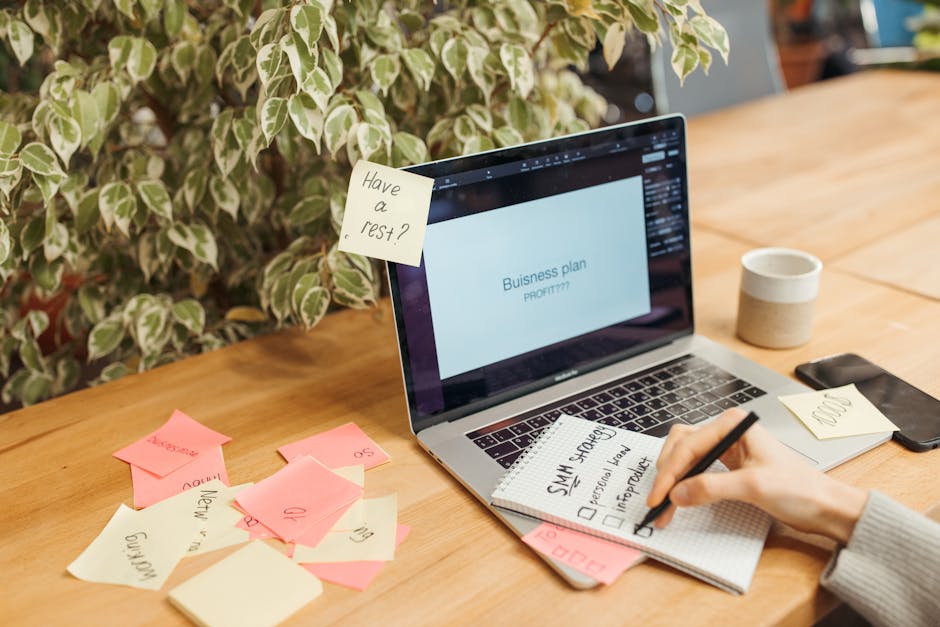
Once you have that written down, pick a builder and choose a simple, conversion-focused template. Replace the default text with your own value proposition, benefits, and call to action. Add one clear primary action: join the waitlist, book a call, start a trial, or request early access. Avoid scattering multiple equal-weight actions across the page; that dilutes focus and hurts conversion.

Next, set up a basic funnel. At its simplest, that may be a single landing page with a form that collects name, email, and perhaps one or two qualifying questions like “What describes you best?” or “What’s your biggest challenge with X?” That information is gold later when you follow up. Connect this form to a simple email list tool if possible, or at least make sure the builder stores submissions in a place you can access. Add a thank-you page that sets expectations about what happens next and invites users to reply or book a short call if that fits your model.
Make it easy for early users to contact you. Add a prominent contact email, a simple contact form, or even a Calendly link for quick calls. At the MVP stage, your job is to talk to as many of these early signups as possible. Many non-technical founders hide behind their site because they assume everything has to be automated. In reality, high-touch manual conversations are your competitive advantage when you are small.
Finally, turn on basic analytics. Almost every modern builder integrates with Google Analytics or has built-in stats. You want to track total visitors, conversion rate (visitors to signups or contacts), and traffic sources at a minimum. Industry benchmarks show that an average landing page converts around 4–5%, but the top 25% can reach 11% or more (Unbounce, 2025). If your page is converting at 1%, that is a signal to revisit your offer and messaging. If you are above 10%, you may be onto something and can confidently invest more time or ad spend.
In the first few weeks, aim to make small, deliberate changes rather than redesigning everything. Test a different headline, adjust your call to action, or clarify your explanation of the problem. Talk to the people who sign up. Ask them which parts of the site were confusing and what convinced them. Your builder’s strength is that you can implement those improvements on the same day you hear them.
Simple Launch Checklist for Your MVP Website
To keep yourself on track, it helps to run through a short checklist as you move from idea to live site. You do not have to follow this perfectly, but checking each item briefly will prevent the most common “I launched but nothing works” issues.
- Define your ideal customer, the main problem you solve, and your one-sentence value proposition in plain language.
- Choose a startup-focused website builder and pick a clean, conversion-oriented template that matches your use case.
- Replace all placeholder copy with your own headlines, body text, and a single primary call to action that fits your goal.
- Set up a simple form or signup flow, connect it to your email list or CRM, and create a clear thank-you page.
- Add basic trust elements such as a short founder bio, early testimonials if you have them, or even a short “Why we built this” note.
- Configure analytics, test your forms, and do a full pass on mobile to fix any layout issues before you share the link.
- Share the site with a small group of target users, collect feedback, and schedule time each week to review metrics and make one or two focused improvements.
If you can move through these steps in a matter of days rather than weeks, you will already be ahead of most early founders who are still stuck sketching ideas in a slide deck. If you want to go deeper, many guides on MVP landing pages and validation walk through examples of how small copy and layout tweaks can lead directly to better conversion rates.
Working With Developers or Agencies When You Start With a Builder
Starting with a builder does not mean you will never work with developers or agencies. In fact, if you succeed, you almost certainly will. The good news is that a builder-based MVP becomes a powerful communication tool that reduces misalignment and wasted effort when you eventually bring technical partners into the picture.
When you are ready to involve technical partners, start by documenting what is working and what is painful in your current builder setup. Share your current site, analytics snapshots, and a simple list of “must-keep,” “nice-to-have,” and “not working” elements. Developers do not need pixel-perfect specs; they need clarity on business priorities. For instance, you might say, “Our current landing page converts at 7%, and we rely heavily on the waitlist form. Any new setup must preserve that funnel with equal or better performance.”
Using your live builder-based MVP as a spec is far clearer than handing over a slide deck. A developer can click through, see real user flows, inspect what tools you are integrating, and understand the constraints. You can annotate the existing pages with comments like “This section is confusing users” or “We want to automate this manual email step.” This shared reference reduces the classic problem where founders imagine one thing and developers deliver another.

Knowing when to bring in a technical co-founder or agency is part art, part pattern recognition. If your main bottlenecks are still messaging, positioning, and getting traffic, you probably do not need a heavy technical lift yet. If you consistently hear from users that they want interactive features, custom dashboards, or workflows that your builder simply cannot support, that is a signal. Many non-technical founders in case studies emphasize waiting until there was real, repeated demand for more functionality before partnering with a co-founder or paying an agency. They used builders and manual work to de-risk the market first, then brought in technical help to scale what was already working.
When you do engage outside help, be honest that you want to preserve the ability to make day-to-day marketing changes yourself. Ask for a division of responsibilities: engineers handle complex backend logic and integrations, while you retain control over content and basic layout through the builder or a CMS. That balance lets you keep moving quickly on user-facing experiments while the more technical pieces evolve in parallel.
Common Mistakes Non Technical Founders Make With Website Builders
Understanding what is startup website builder for non technical founders is only half the battle. The other half is avoiding the traps that make these tools look easy but deliver little value. Most mistakes are not about picking the “wrong” platform but about how you use whatever platform you choose.
One of the most common mistakes is overbuilding. Because builders make it so easy to add more pages and sections, founders often fall into a “more is better” mindset: multiple product pages, long feature lists, elaborate “About” stories, blog posts before there are any users. The result is a site that feels heavy and unfocused. Remember that your early goal is to answer a few key questions, such as “Can we get people in our target segment to sign up?” and “Will anyone pay or pre-commit?” If a page or element does not help answer those, it can probably wait.
Another frequent error is ignoring data and feedback. Many founders check analytics once after launch and then never again, even though small adjustments can lead to big gains. According to a range of landing page optimization studies, tightening up your headlines, focusing on one main call to action, and removing distractions consistently improves conversion rates by meaningful margins (ZoomInfo Pipeline, 2023). If you are not looking at your numbers at least weekly and asking “What did we learn?” you are leaving easy wins on the table.

Founders also sometimes get lulled into thinking the builder is the whole business. Website builders are fantastic for getting started and for long-term marketing sites, but they are not a strategy in themselves. As your product and revenue start to grow, you should periodically reassess whether the builder still fits your needs. If performance becomes an issue, if you are hacking around limitations every week, or if critical workflows depend on fragile third-party scripts, it may be time to plan a transition. The good news is that the data and insights you collected through the builder will make that transition far less risky.
Finally, some teams delay difficult conversations about technical ownership because the builder hides complexity. It is helpful to set expectations early: “We are intentionally using a builder for the first 6–18 months to validate the business. If we hit X revenue or Y active users, we will revisit whether to invest in a custom build or bring on a technical partner.” That way you are using the builder as a strategic stepping stone, not a permanent crutch. Pairing that mindset with a clear testing rhythm—much like the case studies you see on CXL’s optimization blog—keeps you grounded in data instead of assumptions.
Conclusion: Choosing the Right Startup Website Builder as a Non Technical Founder
This article has walked through what is startup website builder for non technical founders and how to choose one that actually helps you move your idea forward. A startup-focused builder gives you three big advantages: you can launch a credible site fast, you can test your value proposition with real visitors, and you can keep iterating without waiting on a developer every time you want to change a headline.
You have seen that you do not need a custom build to get meaningful results. A simple, focused landing page with clear messaging, one primary call to action, and basic analytics is enough to validate whether anyone cares about your idea. No-code tools cover this phase very well. Low-code and custom builds only really become necessary when users consistently ask for complex functionality that your builder cannot reasonably support, or when performance and control start to matter more than speed.
As a non-technical founder, your edge is not “perfect tech,” it is how quickly you can learn from the market. That means you are usually better off picking a straightforward builder, choosing a clean template, and getting version one live in a few days—even if it feels rough—than spending weeks comparing platforms or debating color palettes.
If you are unsure where to start, a practical next step is to set a tight, one-week goal for yourself: write your one-sentence value proposition, pick a no-code or AI website builder you are willing to commit to for three months, and publish a single-page site with a form and analytics connected. Once that is live, schedule a recurring weekly slot to review your numbers, talk to a few users, and make one or two specific improvements.
From there, you can always upgrade tools, redesign, or even rebuild from scratch. What you cannot get back is the time lost waiting for “perfect.” Get something in front of customers now, let their response guide your next move, and treat your startup website builder as the living, evolving front door to your business—not a one-time project you cross off a list. If you want to speed up that very first step, dropping your idea into a no-code AI site builder is one of the fastest ways to see a real, testable version of your concept on the web.
Learn more about No-code insights
Subscribe Waveon Newsletter
*Type your email address