Insight
Best Order Management Systems for Small Businesses (2026)

Waveon Team
3/13/2026
0 min read
Why You Need an Order Management System

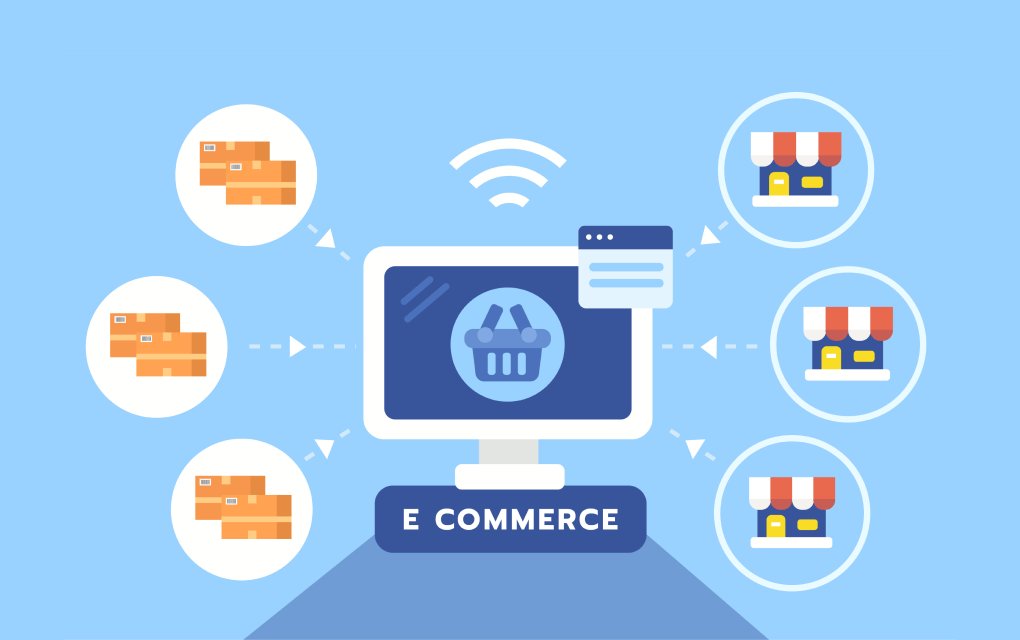
An Order Management System (OMS) handles the full order lifecycle: capture, payment verification, inventory allocation, fulfillment, shipping, and returns — all connected and automated. The question isn't whether you need one, but which one fits your business.
What to Look for in an OMS
Before comparing tools, know what matters for your business:
Sales model: B2C, B2B, or both? This is the most important filter — it determines which systems actually support your workflow.
Channel coverage: Do you sell through your own site, marketplaces (Amazon, eBay), or offline? Multi-channel sync is essential if you're on more than one platform.
Automation: Automated inventory updates, order status notifications, and reorder alerts reduce manual work significantly.
Integration: Does it connect with your accounting software, shipping carriers, and e-commerce platform?
Scalability: Can you start simple and add features (purchasing, reporting, analytics) as you grow?
Why Small Businesses Need Order Management Software
Faster order processing: Automated workflows replace manual data entry, reducing the time from order to shipment
Fewer errors: No more overselling because someone forgot to update the spreadsheet, or shipping the wrong item because of a copy-paste mistake
Cost savings: Less time on manual processing means lower labor costs. Fewer errors mean fewer costly returns and reshipping fees
Better customer experience: Real-time order status, accurate stock availability, and faster delivery build customer trust and repeat business
6 Best Order Management Systems for Small Businesses
Large enterprises typically use SAP or Oracle for order management. But for small businesses and startups, you need something simpler, faster to implement, and more affordable. Here are six options worth considering:
1. Shopify
Shopify isn't just an e-commerce platform — its built-in order management handles the full lifecycle from purchase to fulfillment. If you're already selling on Shopify, the OMS capabilities come included.
Key features: Multi-channel order sync (online store, POS, social), automated fulfillment workflows, real-time inventory tracking, returns management
Best for: D2C brands and small retailers selling primarily through their own online store
Pricing: Subscription plans vary by tier; check current pricing on Shopify's website
2. Zoho Inventory
Zoho Inventory is a dedicated inventory and order management tool that integrates deeply with the Zoho ecosystem (Books, CRM, Analytics) and connects to major sales channels including Shopify, Amazon, eBay, and Etsy.
Key features: Multi-channel order sync, purchase order management, warehouse management, batch/serial number tracking, shipping carrier integrations
Best for: Small businesses that want dedicated order + inventory management with strong accounting integration, especially if already using Zoho products
Pricing: Free plan available; paid plans scale by order volume and features
3. Ordoro
Ordoro is built specifically for small-to-mid-size e-commerce businesses. It combines order management, shipping, and inventory into one platform with strong multi-carrier shipping support.
Key features: Multi-channel order management, shipping label generation with discounted rates, dropshipping support, inventory sync across warehouses
Best for: E-commerce businesses shipping across multiple carriers who want order management and shipping in one tool
Pricing: Free shipping plan available; paid plans vary by module (check current pricing on Ordoro's website)
4. Brightpearl (by Sage)
Brightpearl is a retail operations platform that combines order management, inventory, purchasing, and accounting. It's designed for omnichannel retailers managing both online and in-store sales.
Key features: Unified order management across all channels, real-time inventory tracking, automated purchasing and replenishment, built-in accounting
Best for: Growing retail businesses selling across multiple channels (Shopify, Amazon, eBay, brick-and-mortar)
Pricing: Custom pricing based on business size (contact for quote)
5. monday.com (Workflow Platform)
monday.com is not a dedicated OMS — it's a flexible workflow platform that can be configured for order tracking using templates and integrations. It connects with Shopify, WooCommerce, and other tools. It works best as a lightweight order tracker for teams already using it for project management.
Key features: Customizable order tracking boards, automation rules for status updates and notifications, team collaboration and task assignment
Best for: Small teams that want a visual, flexible tool for managing orders alongside other workflows — not a replacement for a full OMS
Pricing: Free plan available; paid plans scale per seat
6. Waveon (No-Code Order + Inventory Platform)
Waveon takes a modular, no-code approach to order management. Instead of buying a fixed OMS, you build a system that matches your exact workflow — starting with order capture, inventory tracking, and fulfillment, then adding more as needed.
Key features: Customizable order forms (no website required), real-time inventory sync with orders, customer-specific pricing for B2B/wholesale, built-in automation for alerts and status updates
Best for: Small businesses — especially B2B and wholesale — that need order management tailored to their specific process, without developer resources
Pricing: Free to start; scales based on usage and features
B2C vs. B2B: Different Order Management Needs
Most order management systems are built for B2C e-commerce. If you sell directly to consumers through an online store, the options above will serve you well.
But if you supply products to other businesses — distributors, retailers, wholesale buyers — your needs are different:
Feature | B2C OMS | B2B Order Management |
|---|---|---|
Who orders | Individual consumers | Business accounts (distributors, retailers) |
Pricing | Fixed retail price | Account-specific pricing |
Payment | Immediate (credit card) | Net terms, invoicing |
Settlement | Instant | Monthly/quarterly reconciliation |
Credit limits | N/A | Per-account credit limits |
If your business involves account-specific pricing, net payment terms, or periodic settlement — a standard B2C OMS won't cover it. You need a system designed for B2B order workflows.
If you're still evaluating whether you need an OMS or a full ERP, read our guide to ERP for small businesses.
The right order management system saves you time, reduces errors, and keeps customers happy. Whether you're a D2C brand processing hundreds of online orders or a wholesale business managing account-based purchasing, there's an option that fits your scale and budget.
💡 Need order management that connects to inventory and fulfillment?
Learn more about No-code insights
Subscribe Waveon Newsletter
*Type your email address